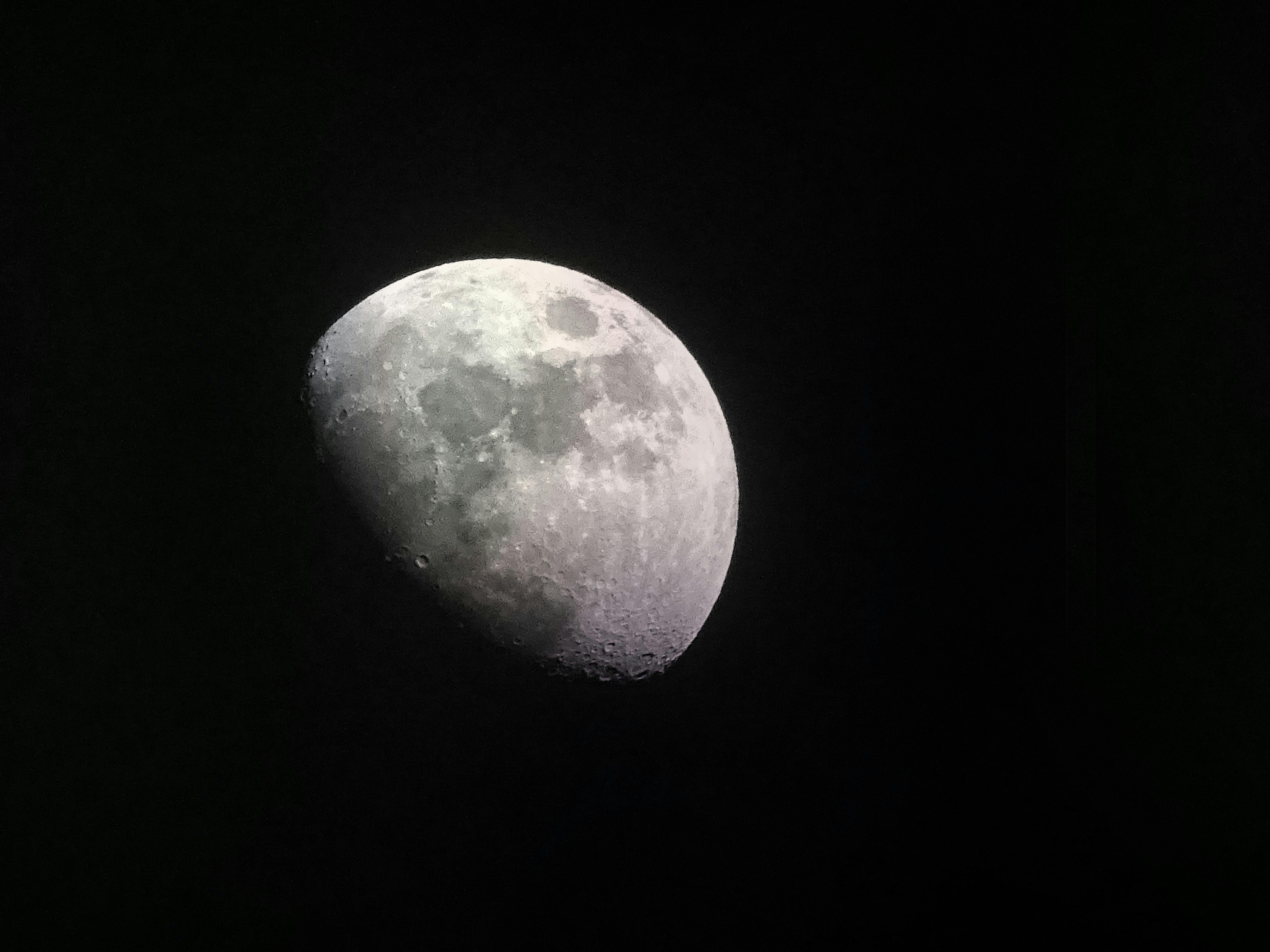
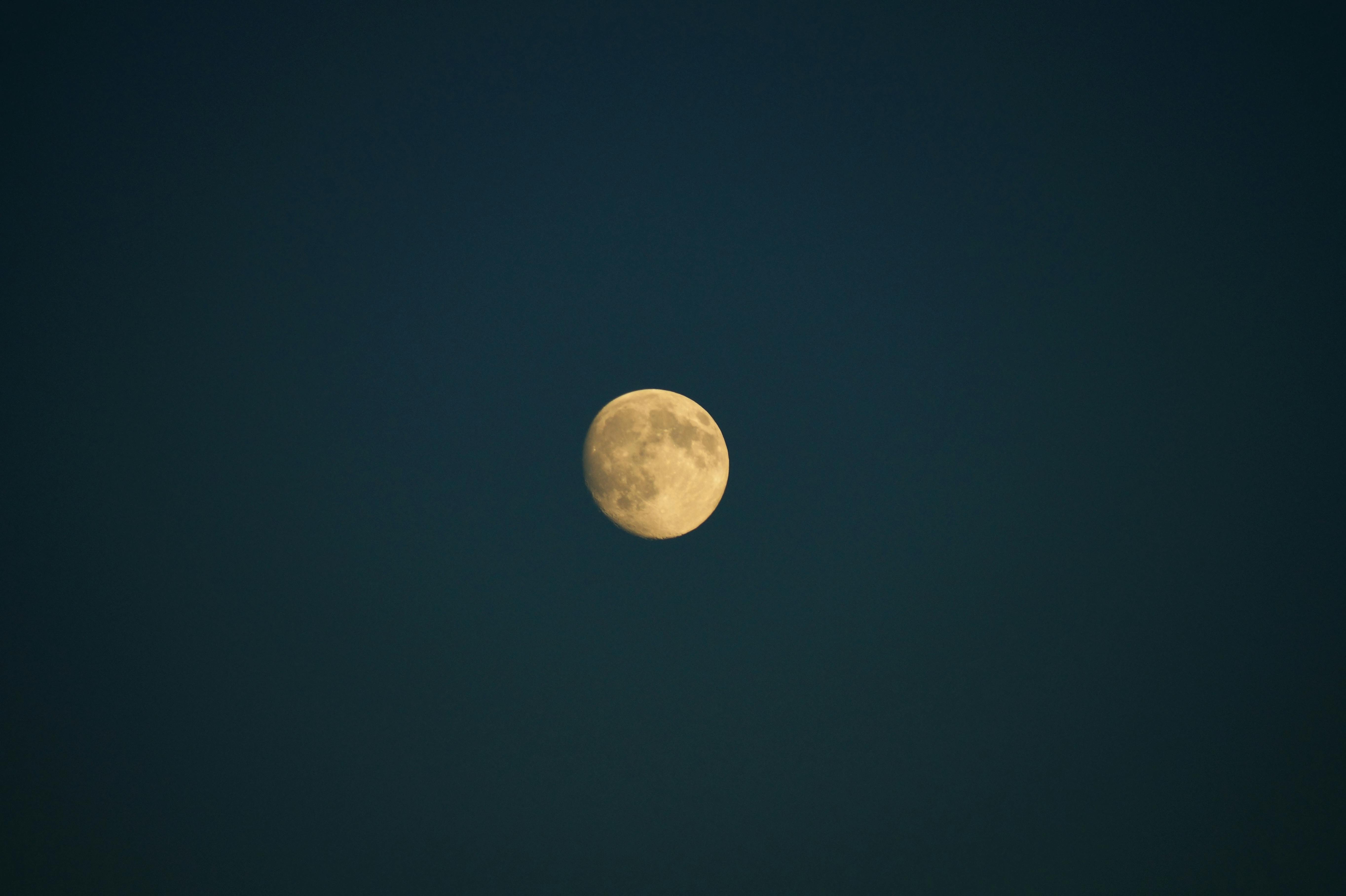
he origin of the Moon is usually explained by a Mars-sized body, known as Theia, striking the Earth,
creating a debris ring that eventually collected into a single natural satellite, the Moon, but there are
a number of variations on this giant-impact hypothesis, as well as alternative explanations, and
research continues into how the Moon came to be formed. Other proposed scenarios include
captured body, fission, formed together (accretion, synestia), planetesimal collisions (formed from
asteroid-like bodies), and collision theories.
The standard giant-impact hypothesis suggests that a Mars-sized body called Theia impacted
the proto-Earth, creating a large debris ring around Earth, which then accreted to form the Moon.
This collision also resulted in the 23.5° tilted axis of the Earth, thus causing the seasons. The
Moon's oxygen isotopic ratios seem to be essentially identical to Earth's.Oxygen isotopic ratios,
which may be measured very precisely, yield a unique and distinct signature for each Solar
System body. If Theia had been a separate protoplanet, it probably would have had a different
oxygen isotopic signature than proto-Earth, as would the ejected mixed material. Also, the Moon's
titanium isotope ratio (50Ti/47Ti) appears so close to the Earth's (within 4 parts per million) that little
if any of the colliding body's mass could have been part of the Moon.